
Room color transformation can happen without major renovation. A new palette changes what the eye notices first. It can make old furniture feel current. It can make awkward corners feel purposeful. It can also shift the emotional pace of a room. Many people underestimate this power. They buy more decor when color is the real problem. A smarter approach begins with mood, light, and contrast. Small updates can create a surprisingly fresh atmosphere. Color often delivers the biggest change with the least disruption.
Before changing color, study what should stay. Flooring, cabinets, sofas, and counters set limits. Those limits can actually make choices easier. A color refresh planner helps identify strong starting points. It also reveals what feels disconnected. A rug may contain the perfect accent shade. Artwork may suggest a softer wall color. Wood tones may need warmer supporting hues. Existing pieces should guide the new direction. Transformation feels better when it builds on what you own.
Contrast gives a room energy. Light walls with dark trim feel crisp. Deep walls with pale furniture feel dramatic. Tonal palettes feel softer and more restful. A room palette system can help choose the right level. Contrast should match the desired mood. Strong contrast feels graphic and modern. Gentle contrast feels layered and calm. A room can change completely through this balance. The difference is often visible before anything else changes.
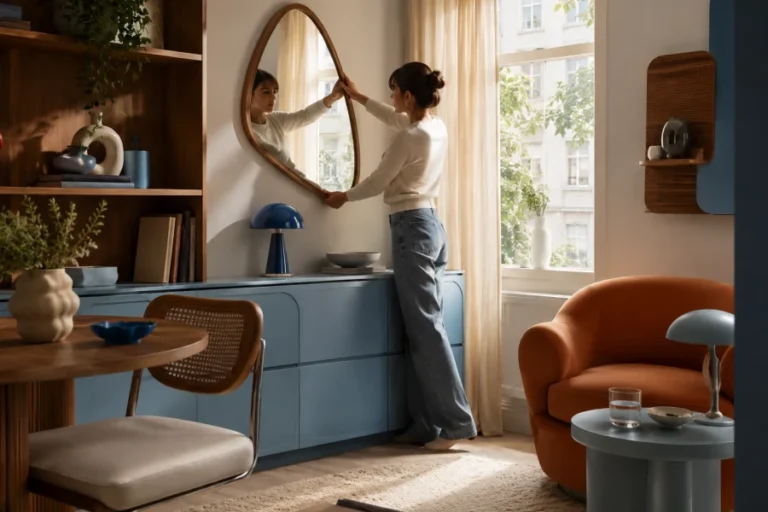
Paint can transform more than vertical surfaces. Ceilings can become cozy or dramatic. Trim can sharpen the architecture. Doors can add personality in small doses. Built-ins can feel custom with a thoughtful shade. Cabinets can shift a kitchen’s entire mood. Even furniture can become part of the palette. These choices should still feel connected. One repeated undertone can hold everything together. Painted details make a room feel more designed.
Accessories are the easiest testing ground. Pillows, throws, lampshades, and art can preview a palette. Curtains can make color feel larger and softer. Rugs can connect several tones at once. A color styling worksheet makes these updates feel organized. It also keeps purchases focused. Repeating a shade three times creates rhythm. Varying texture prevents the room from feeling matched. Accessories should look collected, not overly planned. That balance gives color a relaxed confidence.
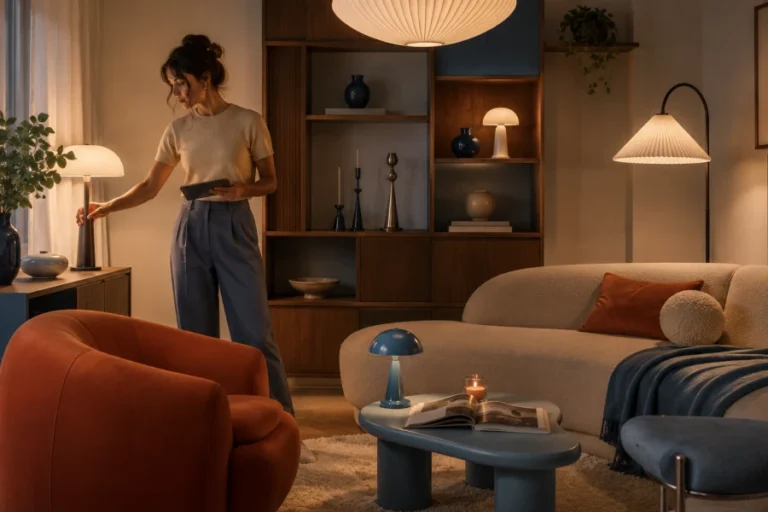
Testing color is not optional. Samples behave differently through the day. A shade may look perfect in morning light. It may turn dull by evening. Large samples reveal undertones more clearly. They should sit near floors and furniture. Viewing them under lamps matters too. Artificial light can change color dramatically. Patience saves money and frustration. The winning shade should work in real conditions.
A room does not need every change at once. Start with one strong decision. Then layer supporting choices gradually. Paint may come first, followed by textiles. Art and lighting can refine the mood later. A room mood makeover works well in stages. This pace keeps the process enjoyable. It also prevents rushed purchases. The final room feels more personal because it evolved. Color becomes a creative process, not a stressful project.


Leave a comment