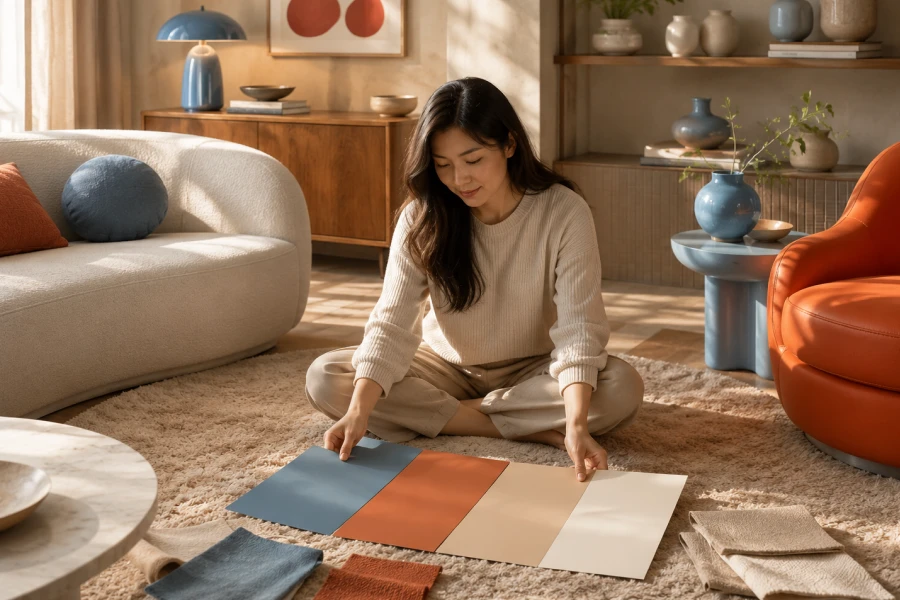
Room color mood influences more than visual style. It changes how a room feels, functions, and welcomes people. A color choice can energize a breakfast nook. It can calm a bedroom before sleep. It can make a hallway feel brighter. It can also make a large room feel warmer. Many decorators start with trends too quickly. Stronger results come from naming the desired feeling first. Color becomes easier when mood leads the decision. The room then feels intentional instead of accidental.
Before choosing paint, define the room’s emotional role. A workspace may need clarity and momentum. A bedroom may need softness and recovery. A dining room may need warmth and connection. A color planning system helps translate those goals into choices. It also prevents impulse decisions at the paint store. Color should support real routines. It should flatter natural light and existing materials. It should connect with furniture already present. Mood becomes manageable when it has a clear purpose.
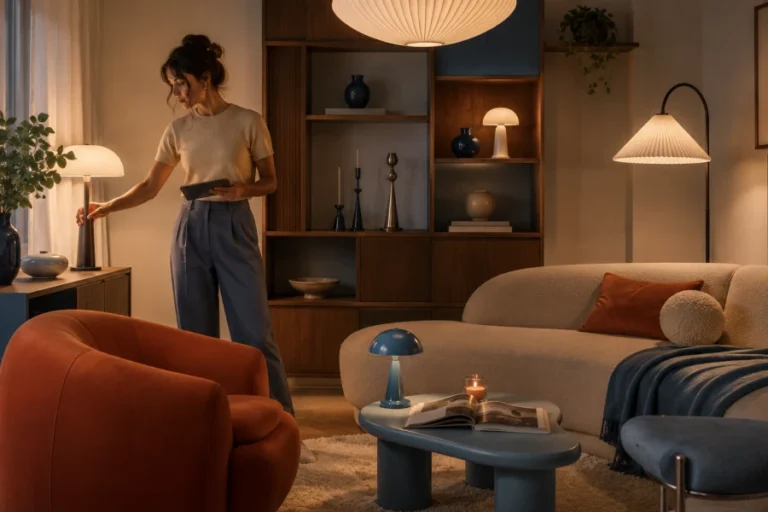
Natural light changes color throughout the day. Morning light can feel cool and clear. Afternoon light may become stronger and warmer. North-facing rooms often need gentle warmth. South-facing spaces can handle deeper tones. A room color strategy should consider these shifts early. Paint samples look different on every wall. Testing color in several spots prevents regret. Light reveals undertones that swatches can hide. The best shade is chosen inside the actual room.
Paint names can be charming but misleading. One beige may lean pink. Another may lean green. A gray can look blue in low light. White can feel crisp, creamy, or cold. Undertones decide whether colors cooperate. Flooring, cabinets, textiles, and stone also influence the result. Samples should sit beside these fixed elements. This makes comparison much more realistic. Harmony improves when undertones speak the same language.
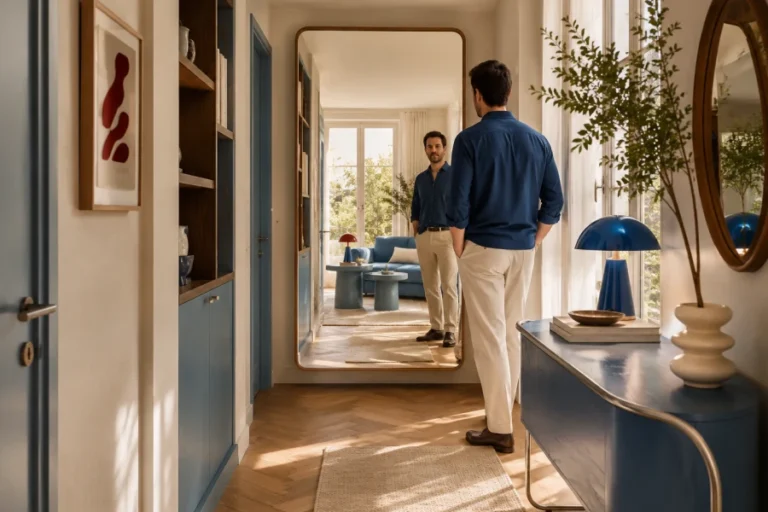
Small rooms do not always need white walls. A deep color can make them feel cozy. A soft color can make them feel airy. Large rooms may need richer tones for intimacy. Open spaces often need connected palettes. A home color transformation works best when proportions are respected. Ceilings, trim, and doors can support the effect. Accent walls should have a clear reason. Repetition keeps the palette from feeling random. Scale should guide intensity as much as taste.
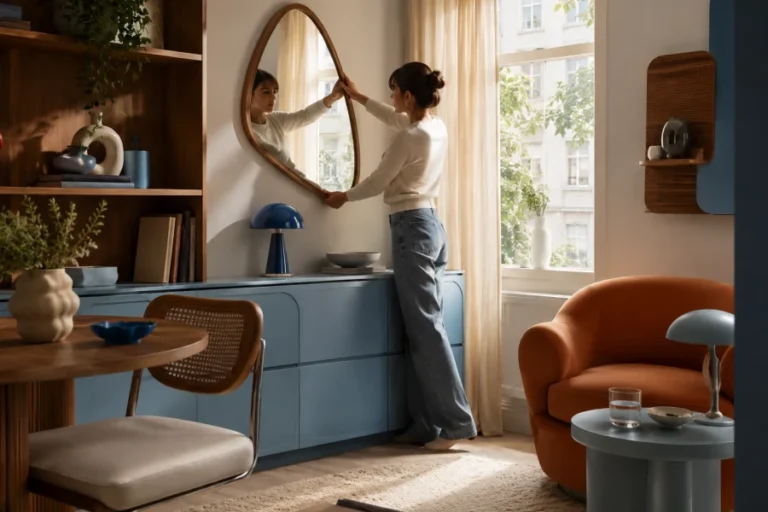
A finished palette usually has balance. One color may lead the room. Supporting colors create depth and connection. Neutrals give the eye a place to rest. Accent colors add movement and personality. Textiles can repeat colors without looking too matched. Art can bridge several tones naturally. Plants can soften bold palettes beautifully. Metals and woods also shape the final mood. A strong palette feels layered, not overly coordinated.
Texture changes how color reads. Matte walls feel softer than glossy surfaces. Linen makes color feel relaxed and tactile. Velvet can make the same shade feel richer. Wood adds warmth to cool palettes. Stone can make earthy colors feel grounded. A color mood worksheet can help connect these pieces. The room becomes more dimensional through contrast. Color alone rarely does all the work. Texture turns a nice shade into an atmosphere.

Leave a comment