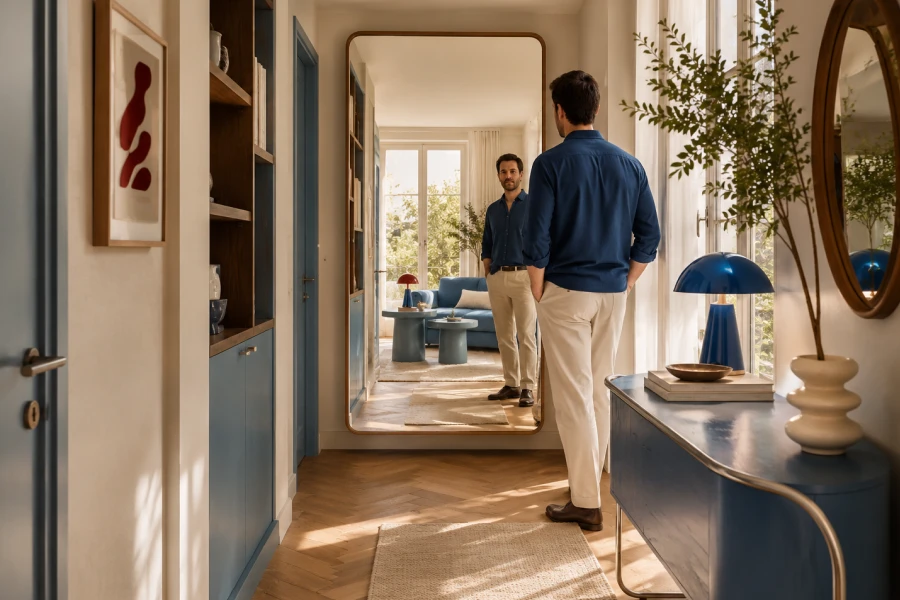
Mirrors to expand space are most effective when they reflect something worth seeing. They can brighten rooms, lengthen sightlines, and soften tight corners. Yet the mirror itself is only half the story. The reflected view determines the final effect. A mirror facing daylight can feel magical. A mirror facing clutter can feel stressful. This difference matters in every room size. Strategic reflection creates visual calm and openness. It also adds polish without major expense. Mirrors become powerful when beauty sits across from them.
Every mirror should solve one problem. It might add light to a dark wall. It might widen a narrow hallway. It might make an entry feel more welcoming. A mirror decor framework helps define that purpose before installation. This prevents overdecorating with reflective surfaces. A purposeful mirror looks confident. It has a reason for being there. It works with architecture and furniture. The room feels larger because the placement is deliberate.
Sightlines shape how open a room feels. A mirror can extend what the eye perceives. It can pull attention beyond a short wall. It can also connect separate zones visually. The visual space planning approach works well in apartments. Place mirrors where they lengthen the room’s best direction. Avoid angles that reflect tight or blocked areas. The eye should move easily across the reflection. When sightlines improve, the room feels less confined.
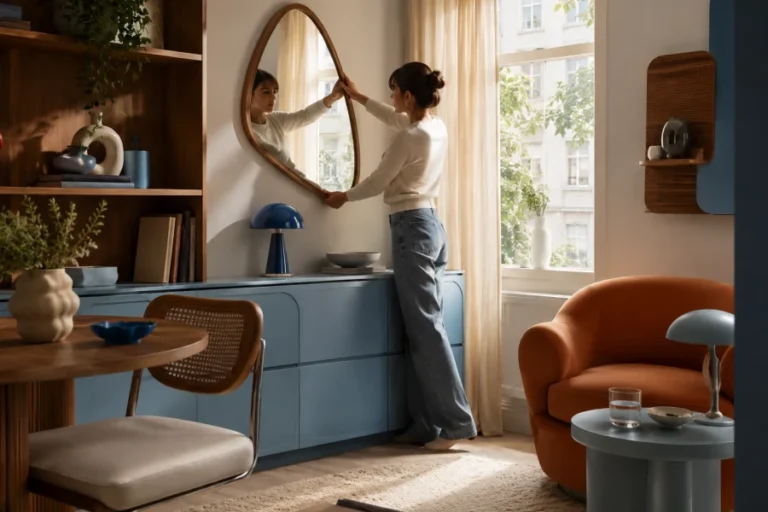
Frames affect how mirrors read visually. Thin frames feel light and modern. Ornate frames can add character and drama. Wood frames warm up cool interiors. Metal frames can sharpen a clean design. Frameless mirrors almost disappear into the wall. The frame should match the room’s desired mood. It should not fight nearby finishes. Repetition makes the choice feel connected. The right frame supports expansion without visual heaviness.
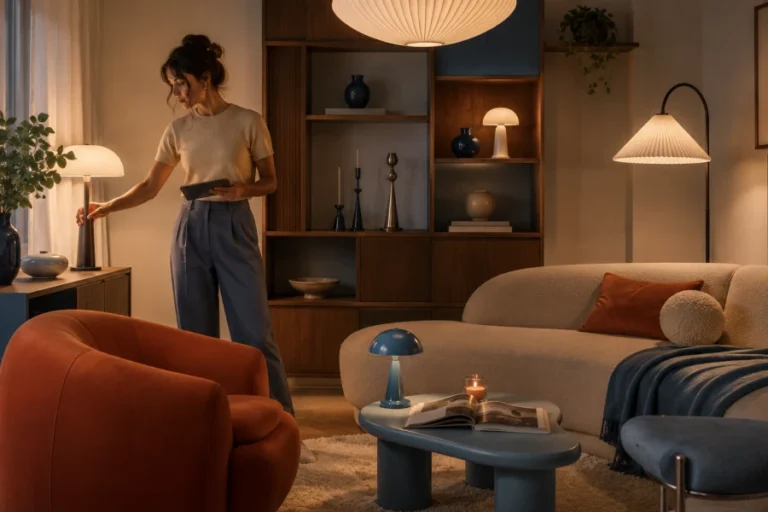
Dark corners can make rooms feel smaller. A mirror can pull brightness into those zones. It works especially well near lamps or windows. A reflected lamp can create a soft glow. A light-enhancing mirror setup brings depth to forgotten areas. Small corners then feel more intentional. Plants, baskets, or art can improve the reflected scene. The goal is not shine everywhere. It is gentle movement of light. A dark corner can become a quiet design feature.
Large mirrors usually create stronger expansion. They read like openings in the wall. Small groupings can feel decorative but busier. A gallery of mirrors needs careful spacing. Too many reflections may fragment the room. One generous piece often feels calmer. However, small mirrors can work in narrow spots. They should still reflect something pleasant. The choice depends on wall size and purpose. Simplicity often creates the most spacious effect.
The best mirror tricks feel natural. They do not shout for attention. Instead, they make the room feel brighter and better proportioned. Furniture appears less boxed in. Walls feel more breathable. A home decor mirror plan keeps the effect elegant. Placement, scale, and reflection all work together. Nothing feels random or overly staged. The room simply feels easier to enjoy. That subtle shift is why mirrors remain timeless.


Leave a comment