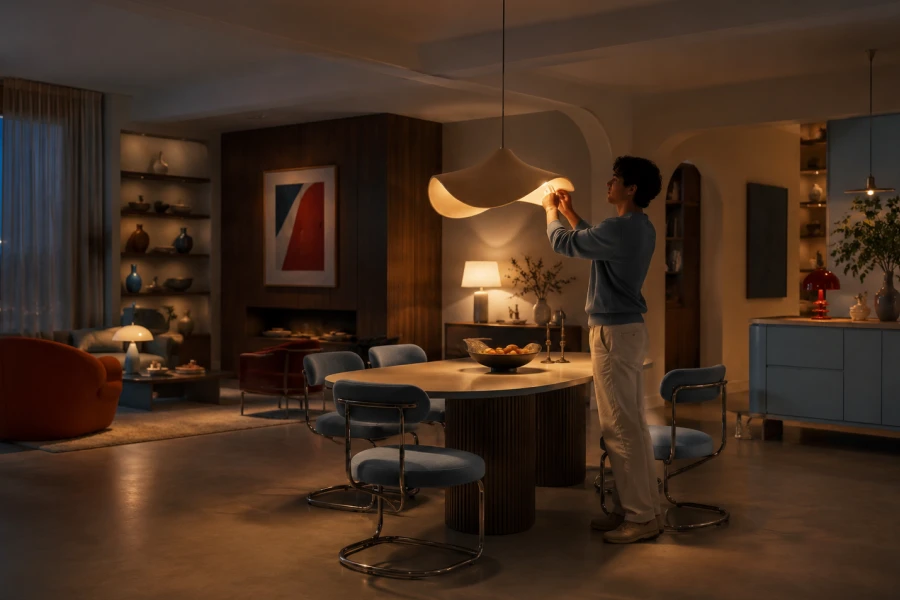
Modern interior lighting is not only about brighter rooms. It is about shaping attention, comfort, and flow. Many stylish spaces fall flat under poor lighting. The furniture may look expensive, yet the room feels unfinished. Light gives texture a chance to speak. It also helps color, art, and materials feel richer. A balanced plan makes daily living easier. It can make small rooms feel more open. It can also make large rooms feel intimate. The best lighting feels natural, layered, and quietly beautiful.
Every room has patterns before it has fixtures. People read, cook, dress, relax, gather, and recharge. Lighting should follow those patterns closely. A home lighting planner helps connect those habits with clear choices. It prevents random purchases that look disconnected later. A kitchen island may need focused light. A sofa corner may need a soft lamp. A hallway may need gentle guidance at night. These details build a home that feels supportive. Good design starts with how people actually live.
Minimal rooms still need emotional warmth. Clean lines can feel cold without layered light. A wall washer can soften a blank wall. A shaded lamp can warm a quiet corner. Low light near seating adds welcome intimacy. Hidden lighting under shelves can create depth. The warm lighting system makes simplicity feel personal. It also keeps modern spaces from feeling sterile. Texture becomes more visible under thoughtful light. Warmth comes from placement as much as color temperature.
Scale separates planned interiors from accidental ones. A tiny pendant can look lost above a table. A large chandelier can overpower a compact room. Lamps should relate to nearby furniture. Sconces should sit at comfortable eye level. Floor lamps need enough presence to feel intentional. Repetition can make different fixtures feel connected. Finishes should support hardware, furniture, or decor. When scale feels right, the room relaxes visually. Nothing feels random, lonely, or forced.
Texture becomes more dramatic when light hits it correctly. Wood grain, linen, stone, tile, and plaster need shadows. Flat overhead light can erase those details. Directional lighting restores dimension and interest. Accent lights can define shelves or artwork. Grazing light can make walls feel architectural. A layered lighting design adds visual richness without extra decor. That matters in modern interiors especially. Fewer objects must work harder visually. Light helps every surface feel more considered.
Bulbs influence color more than most people expect. Cool bulbs can make beige walls look gray. Warm bulbs can make whites feel creamy. Brightness can flatten gentle paint colors. Dimming can bring softness back into the palette. Consistency across rooms creates a calmer impression. Mixing temperatures should happen only with intention. Bedrooms often benefit from warmer light. Workspaces may need neutral clarity during the day. The bulb choice should respect both mood and function.
A finished room usually has thoughtful lighting. It does not rely on one dramatic fixture. It uses several quiet decisions working together. The eye moves naturally from surface to surface. Seating areas feel welcoming at different times. Decorative objects gain presence without looking staged. A printable lighting planner can make those choices easier. It gives structure to creative decisions. The final effect feels polished, calm, and livable. Light becomes the detail that ties everything together.


Leave a comment