Home decor mirrors do more than fill empty walls. They influence light, balance, proportion, and atmosphere. A mirror can make a room feel taller. It can also soften a dark corner. It can create a focal point without adding clutter. Many rooms need reflection more than extra decor. The right mirror adds function and visual rhythm. It can support modern, classic, rustic, or eclectic style. Placement decides whether it feels elegant or random. A mirror becomes design when it has a clear role.
Start with the mood of the room. A calm bedroom may need a soft frame. A lively entry can handle more drama. A dining room might benefit from subtle shine. A decor mirror checklist helps connect shape with atmosphere. Round mirrors soften straight furniture lines. Rectangular mirrors add structure and height. Arched mirrors bring a gentle architectural feeling. Irregular shapes can feel artistic and fresh. The best mirror supports the room’s existing personality.
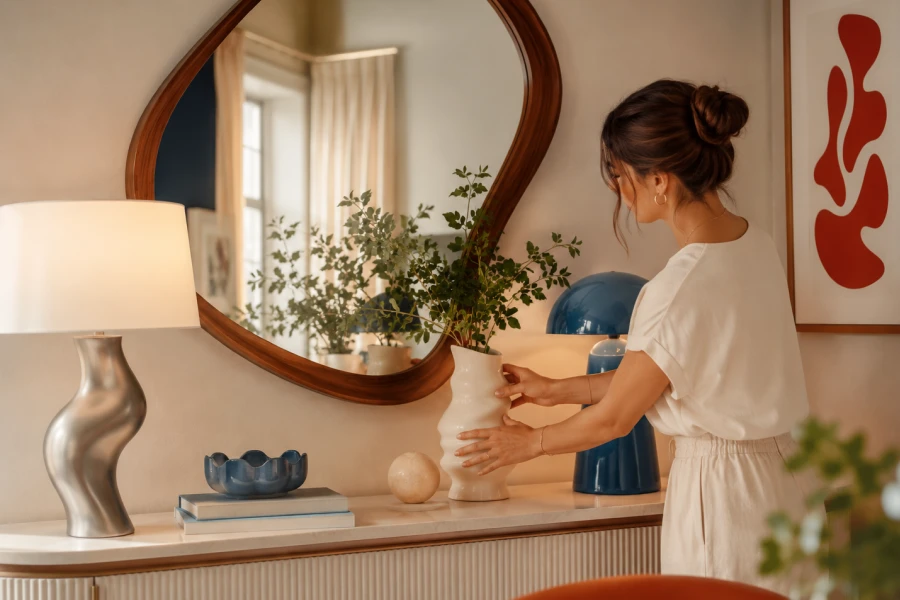
A focal point should earn attention. Mirrors do this by reflecting light and movement. They can anchor a console, fireplace, or dresser. They can also balance artwork nearby. The mirror placement system helps prevent awkward hanging heights. Eye level matters in most areas. Furniture width matters too. A mirror should feel visually connected to what sits below it. When proportion works, the focal point feels effortless. Function and beauty meet in one piece.
Mirrors pair beautifully with textured decor. Wood, ceramic, linen, and greenery soften reflection. Art can keep the wall from feeling too shiny. Books and sculptural objects add warmth nearby. A mirror should not create a cold display. It should participate in a layered composition. Varying materials makes the room feel collected. Repetition of color keeps everything connected. Negative space prevents the arrangement from feeling crowded. Balance matters more than symmetry.
Entries and hallways often need brightness. They can also feel narrow or unfinished. A mirror gives these spaces instant purpose. It supports quick checks before leaving home. A small entry styling plan can make the area feel intentional. Pair the mirror with a slim console. Add one lamp, tray, or plant nearby. Keep the reflected view clean. The result feels practical and polished. Even a small entry can become memorable.
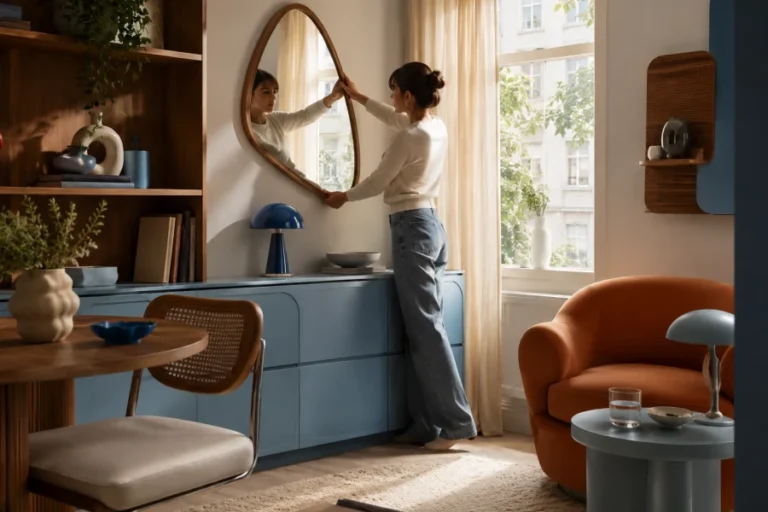
A large mirror can still fail. Size alone does not guarantee beauty. The reflected view determines the mood. A mirror facing a blank wall may feel dull. One facing a window feels more alive. A mirror facing clutter multiplies the problem. Walk around before choosing the wall. Test angles with your phone camera. Notice light, mess, and movement. The best reflection adds something the room needs.
A finished room often has visual movement. Mirrors create that movement without adding pattern. They bring light into quiet areas. They help furniture arrangements feel balanced. They can also make affordable rooms feel more refined. A space-enhancing mirror approach works in nearly every style. The trick is restraint. One strong mirror usually beats several weak choices. Thoughtful placement creates polish quickly. Reflection becomes the finishing touch that feels natural.


Leave a comment